
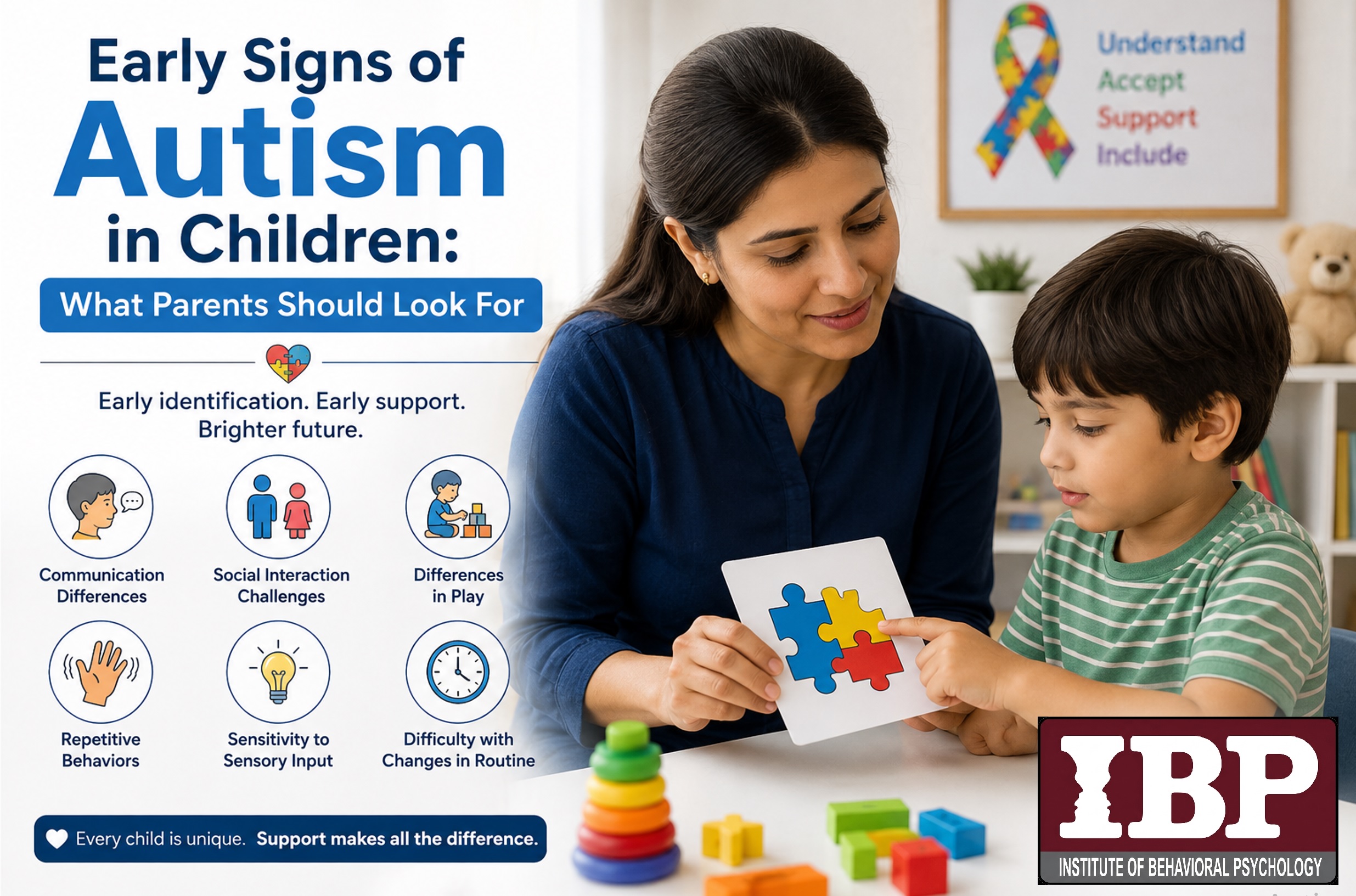
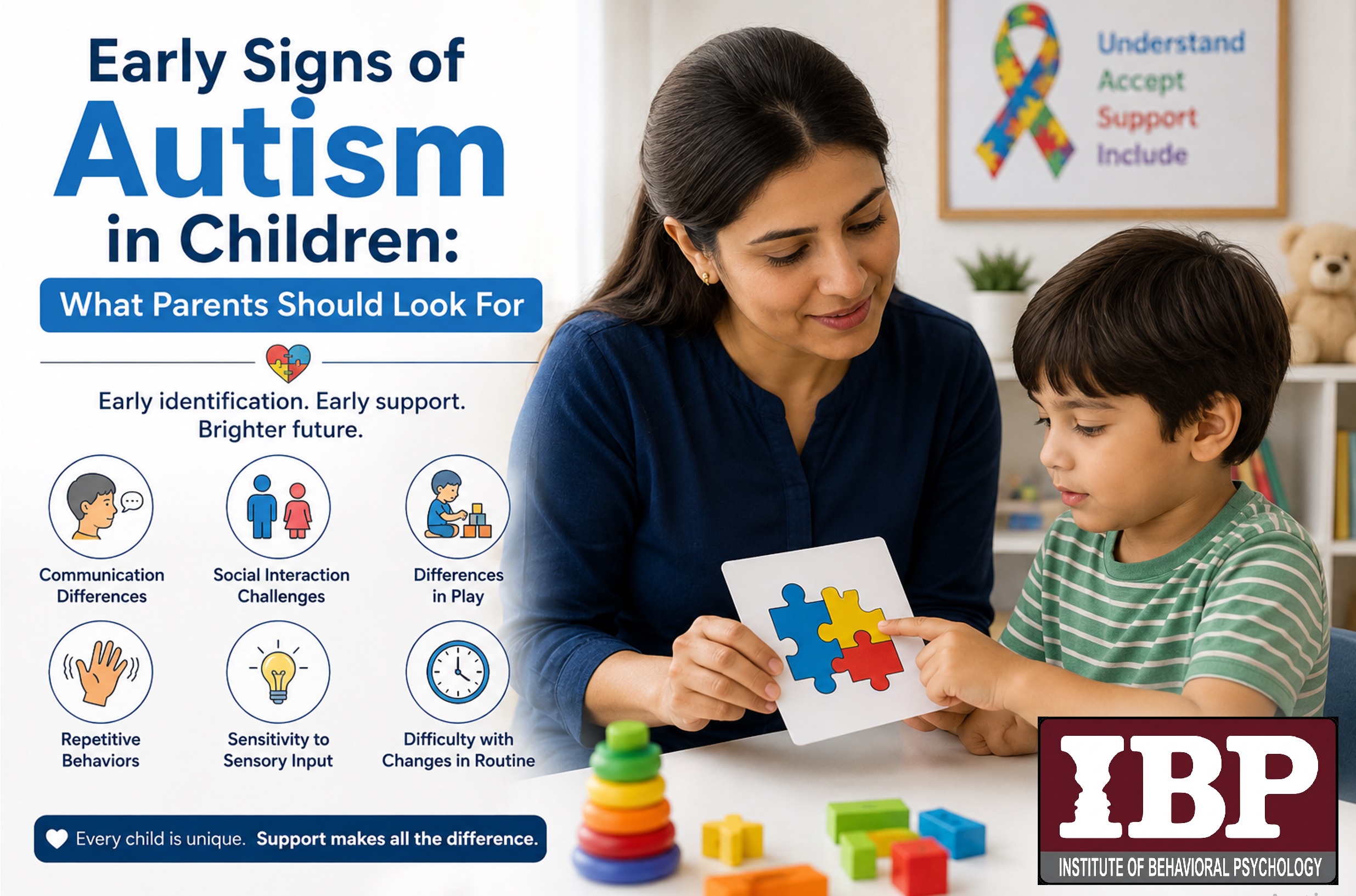
Early Signs of Autism in Children: What Parents Should Look For
Every child develops in their own way.
Some children begin talking early, while others take more time. Some enjoy being around other children, while others are happier playing on their own.
At the same time, parents may notice patterns in their child’s communication, social interaction, play, or behavior that continue over time. Recognizing these differences early can help families seek appropriate guidance and support.
What Is Autism?
Autism Spectrum Disorder (ASD) is a developmental condition that can affect communication, social interaction, behavior, and the way a child responds to the world around them.
It is called a “spectrum” because children can have very different strengths, challenges, and support needs.
Early Signs Parents Can Look For
1. Limited Eye Contact or Social Engagement
A child may not consistently look toward a parent or caregiver when communicating. They may also appear less interested in sharing attention or experiences with others.
Limited eye contact alone does not mean a child is autistic. The overall pattern of social communication is more important.
2. Not Responding to Their Name
Some children may not consistently respond when their name is called, particularly when they are focused on another activity.
Parents may notice that their child appears not to hear them but responds normally to other sounds.
Because hearing difficulties can also cause this behavior, professional assessment is important.
3. Delayed Speech or Communication
Communication differences can sometimes become noticeable early.
A child may:
- Begin speaking later than expected
- Use fewer words than other children of a similar age
- Have difficulty communicating wants or needs
- Repeat words or phrases
- Have difficulty with back-and-forth conversation
- Use gestures less frequently
Some autistic children speak fluently but may still experience difficulty using language socially.
4. Limited Pointing, Gestures, or Shared Attention
Young children often point to show parents something interesting, wave goodbye, bring objects to share, or look between an object and another person.
A child who rarely points to share interest or does not consistently follow another person's pointing may benefit from closer developmental observation.
5. Repetitive Movements or Behaviors
Some children may repeatedly perform certain movements or actions.
These can include:
- Hand flapping
- Rocking
- Repeated finger movements
- Repeating words or phrases
- Arranging toys in a specific way
- Repeating particular actions
Repetitive behavior by itself does not indicate autism. Parents should consider the wider pattern of communication and social development.
6. Strong Reactions to Sounds, Textures, or Other Sensory Experiences
Some children may react unusually strongly to everyday sensory experiences.
For example, a child might become distressed by:
- Loud sounds
- Certain clothing textures
- Particular smells
- Bright lights
- Specific foods or tastes
Other children may actively seek certain sensory experiences.
7. Differences in Play
Parents may notice that their child plays differently from other children.
Some children may show limited pretend play, prefer repetitive activities, or become highly focused on a particular object or interest.
They may also find it difficult to join other children in play or may prefer playing alone.
8. Difficulty With Changes in Routine
Some children become particularly upset when a familiar routine changes.
Changes in mealtimes, school routines, travel plans, or the arrangement of familiar objects may cause significant distress.
A predictable routine can help some children feel more comfortable during daily activities.
Why Early Identification Matters
Parents do not need to wait until a child reaches school age before discussing developmental concerns.
Early identification can help families access appropriate educational, behavioral, communication, and therapeutic support.
A screening is not the same as a diagnosis. It simply helps determine whether further professional evaluation may be appropriate.
What Should Parents Do If They Have Concerns?
If you notice several developmental differences or feel that your child's communication or behavior is not progressing as expected, don't simply wait for the child to “grow out of it.”
Consider speaking with a qualified professional.
Parents can also keep notes about behaviors they have noticed, including when they occur and how frequently they happen. This information can be useful during a developmental assessment.
A professional assessment can help distinguish autism from other developmental, communication, hearing, learning, or behavioral concerns.
Supporting Children Through Education and Therapy
Children with autism may benefit from support in several areas rather than relying on a single approach.
IBP International in Karachi provides educational, psychological, remedial, and therapeutic services for children with developmental and learning needs.
Its School for Differently-abled Children supports children with Autism Spectrum Disorder and addresses their academic, psychological, vocational, and therapeutic needs.
IBP also provides services including:
- Speech and Language Therapy
- Occupational Therapy
- Behavior Therapy
- Sensory Integration
- Play Therapy
- Counseling
Individual Education Plans can also address areas such as:
- Language development
- Cognitive development
- Fine and gross motor skills
- Self-help abilities
- Personal and social development
For families in Karachi, having educational and therapeutic support available within one organization can make it easier to coordinate a child's learning and developmental needs.
A Concern Is Not a Diagnosis
The most important thing for parents to remember is that noticing a sign of autism does not mean your child has autism.
Children develop at different rates, and many behaviors associated with autism can also occur in children who are not autistic.
What matters is the overall developmental picture and whether persistent differences are affecting communication, learning, social interaction, or everyday life.
If something concerns you, asking questions early is better than ignoring those concerns.
With the right assessment, understanding, education, and support, children can build on their strengths and continue developing important skills.
IBP International has supported children, families, and individuals in Karachi through educational, psychological, remedial, and therapeutic services for decades.